Thirty Days Without Apple, Google, or Samsung: My Open-Source Hardware Experiment
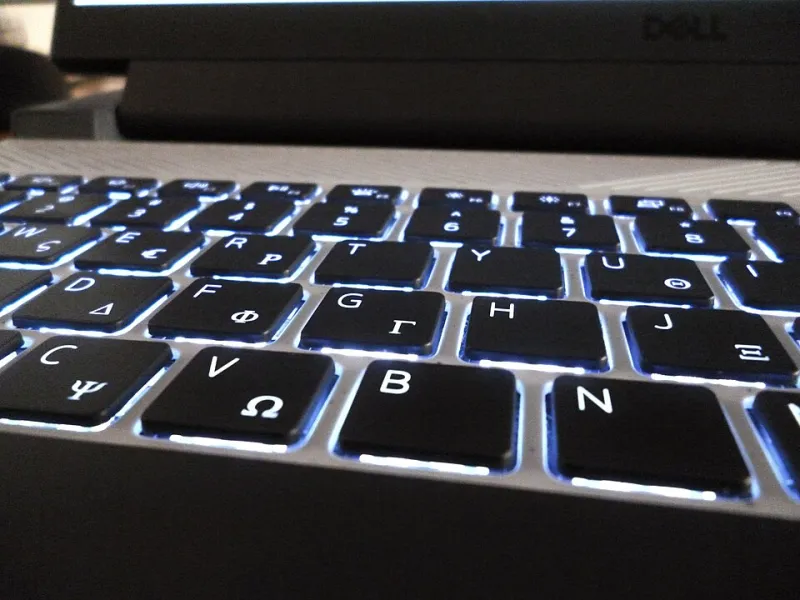
Photo: Gre123gr, CC0, via Wikimedia Commons
The rules were simple: for 30 days, every device I touched daily had to be open hardware or open firmware. A repairable, Framework-style laptop. A router flashing OpenWrt. A community-built Linux phone. My MacBook, my iPhone, my ISP's rental router — all boxed up.
I went in expecting frustration. I got some. I also got something I didn't expect: the feeling of owning my devices again.
Week One: The Withdrawal Phase
The Linux phone was the hardest adjustment. It makes calls, texts, and handles basic browsing, but the app gap is a canyon — no banking app, no native maps experience, and mobile payments were off the table entirely. Buying gas with a phone tap? Not happening. I carried a credit card for the first time in years like some kind of pioneer.
The laptop, by contrast, was almost boringly good. Modular ports, a screen I could replace with one screwdriver, and a Linux setup that just worked. The surprise wasn't that it worked — it's that it worked so well that I forgot I was doing an experiment.
Week Two: The Router Changed Everything
The open-firmware router was the sleeper hit. OpenWrt turned my $80 box into something that shows me exactly what every device in my house is doing — traffic, connections, the smart TV's suspicious 2 a.m. check-ins. I set up network-level ad blocking in twenty minutes and my household's browsing got visibly faster.
Here's the uncomfortable part: my ISP's rental router and my old off-the-shelf router were both black boxes running firmware I couldn't inspect, on update schedules I didn't control. The open router gets community security patches fast and transparently. From a pure privacy and security standpoint, this was the single biggest upgrade of the month — and the cheapest.
Week Three: Where Things Broke
Honesty requires a list:
- The Linux phone's battery dropped to roughly half of what my iPhone delivered
- Screen sharing on a work video call required a 45-minute workaround involving an external monitor and prayer
- One app I needed for a flight check-in simply would not run, even in the browser
- The camera on the community phone is two to three years behind flagship quality, which shows immediately in low light
None of these were dealbreakers alone. Together, they explain why open hardware remains a niche: it's death by a thousand papercuts for anyone who isn't willing to tinker.
Week Four: The Surprises I Kept
What stuck with me wasn't the specs — it was the relationship. When my laptop's hinge got sticky, I didn't file a warranty claim; I looked up the part, watched a two-minute video, and fixed it. When the phone did something weird, I found a forum of volunteers who'd hit the same bug and patched around it within a day.
There's also the privacy angle you can't overstate. The open software stack phones home to nobody. I could verify — not just trust — that my laptop wasn't shipping telemetry anywhere. In a year when every device seems to want an account, that felt quietly radical.
So Can Open Hardware Replace the Giants?
For most Americans, not yet, and I won't pretend otherwise. The phone ecosystem is the bottleneck: without mainstream app support and carrier polish, it stays a tinkerer's device or a privacy-professional's second phone.
But the laptop and router? Those are genuinely ready. If you buy one repairable laptop and flash one router, you've covered the two devices where open hardware is mature, cheaper over time, and dramatically better for your privacy.
What I kept: the laptop, the router, and the habit of asking who my devices actually work for. What went back in the box: the phone — for now. The community building these things is moving fast, and I suspect in two years I'll be running this experiment again with a very different ending.