One Thing, Done Perfectly: The Niche Hardware Revolution Taking Bites Out of Apple and Samsung
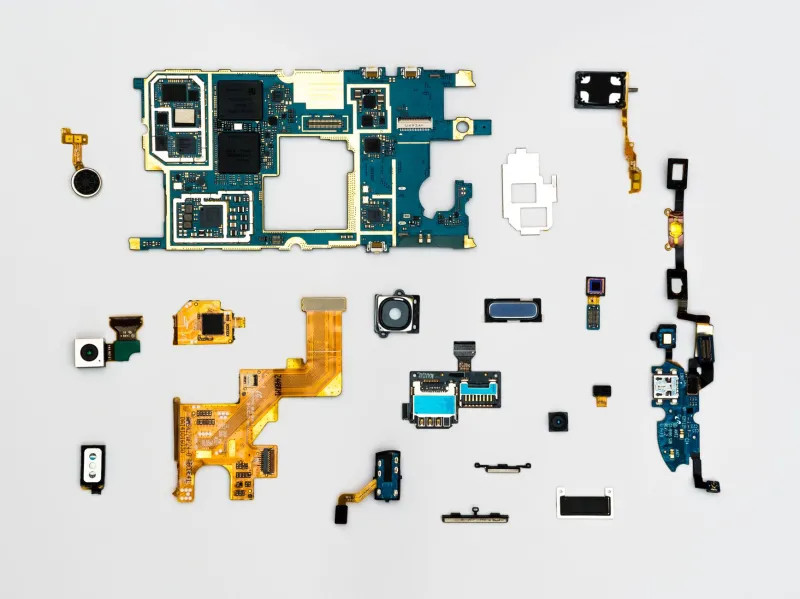
For the better part of two decades, the consumer electronics playbook was pretty straightforward: build the most capable all-in-one device you can, slap a premium price tag on it, and let the ecosystem lock-in handle the rest. Apple mastered this formula. Samsung refined it. And for a long time, nobody had a serious answer.
That era isn't exactly over — but it's getting complicated in ways that should make both Cupertino and Seoul genuinely nervous.
A growing wave of specialized hardware makers is quietly chipping away at the foundation of the everything-device model. They're not trying to out-Apple Apple. They're doing something smarter: picking one specific type of user, understanding what that person actually needs at a deep level, and building something that blows the generalist competition completely out of the water in that lane. And it's working.
The All-in-One Problem Nobody Likes to Talk About
Here's the uncomfortable truth about flagship smartphones and general-purpose wearables: they're designed to be inoffensive to everyone, which means they're rarely exceptional for anyone. A $1,200 iPhone is a genuinely impressive piece of engineering. But if you're a serious mobile photographer, a competitive gamer, a triathlete tracking multi-sport performance, or a developer building spatial computing apps — the flagship phone is a compromise. Always.
Companies like Apple and Samsung have to make tradeoffs constantly. A feature that's critical for a hardcore fitness user might be irrelevant to a business traveler. The camera system that wows casual shooters might frustrate professionals who need manual RAW controls. When you're building for hundreds of millions of people, you end up building for the median.
Niche hardware makers don't have that problem. They build for the extreme.
Gaming Hardware: The Canary in the Coal Mine
Look at what's happened in mobile gaming over the past few years. Asus ROG Phone, Razer Edge, and Lenovo Legion Phone didn't just add a gaming label to a standard Android handset — they fundamentally rethought the hardware around what competitive gamers actually want. Shoulder triggers. Active cooling systems. High-refresh displays tuned for latency, not just resolution. Direct charging ports that don't interfere with landscape-mode grip.
None of that makes sense on a general-purpose phone. All of it makes perfect sense if gaming is your primary use case. These devices carved out a real, loyal audience — and they did it without ever needing to compete on the same terms as Apple.
The same pattern is playing out in handheld gaming with devices like the Steam Deck reshaping what people expect from portable PC gaming. Valve didn't need to sell 50 million units to matter. It needed to sell enough to prove the category existed — and then defend it.
Content Creators Are Done Compromising
The creator economy has minted millions of people who use their hardware professionally — or at least semi-professionally — and they have opinions. Strong ones.
Companies like DJI figured this out early. Instead of waiting for Apple or GoPro to build the perfect drone ecosystem, they built it themselves, end to end. The result? DJI basically owns the consumer and prosumer drone space. Insta360 did something similar in the action camera world, building cameras so purpose-built for specific shooting styles that even dedicated GoPro fans started switching for specific use cases.
On the audio side, companies like Rode and RØDE Wireless have been quietly eating into the market for creators who need pro-grade sound without a pro-grade studio setup. Their gear integrates beautifully with iPhones and Android devices — but it fills a gap Apple's own accessories never bothered to address seriously.
This is the pattern: a giant leaves a gap, usually because filling it isn't worth the distraction at their scale, and a focused startup walks right through it.
Fitness Tech Is Getting Ruthlessly Specific
The Apple Watch is good at a lot of things. It's genuinely excellent at almost none of them — at least not compared to hardware built specifically for one athletic discipline.
Garmin has been winning over serious endurance athletes for years with GPS watches that offer multi-week battery life, dive-computer functionality, and training metrics that go several layers deeper than anything watchOS offers. Wahoo built a cult following among cyclists by making bike computers that do exactly what cyclists need, nothing more. Whoop stripped away the screen entirely and went all-in on recovery and strain data, attracting a fitness-obsessed user base willing to pay a subscription for the privilege.
Each of these companies found a vertical, went deep, and built a product that makes the Apple Watch feel like a tourist in their territory.
The AR/VR Wildcard
Spatial computing is where the niche hardware story gets really interesting, because this is a category that's still early enough that the giants haven't locked it down yet. Apple's Vision Pro made a massive splash, but at $3,499 it's not exactly a mass-market play — it's Apple planting a flag and betting that the ecosystem will catch up.
In the meantime, startups are experimenting aggressively. Companies building lightweight AR glasses for specific enterprise use cases — warehouse logistics, surgical assistance, field service — are finding traction in ways that a general-purpose headset never could. The use case is clear, the ROI is measurable, and the hardware can be optimized without worrying about whether it also needs to stream Netflix well.
Meta is learning this lesson slowly and painfully. The Quest platform is genuinely impressive, but Meta keeps trying to be everything to everyone in VR, and the product roadmap shows it. Focused competitors with clearer missions are moving faster.
Why Big Tech Keeps Losing This Fight
It's not that Apple and Samsung are oblivious. They see these niches. The problem is structural: a company with Apple's margins and shareholder expectations can't justify a product that might sell 500,000 units to a very specific user type. It's not worth the engineering resources, the supply chain complexity, or the brand risk if it underperforms.
Startups don't have that problem. Five hundred thousand deeply loyal, high-spending users in a niche is an incredible business for a company built around that niche. It's a rounding error for Apple.
This is the fundamental asymmetry that's fueling the unbundling. Big tech's scale is a strength everywhere except the edges — and the edges are exactly where the most passionate, highest-value customers live.
What This Means Going Forward
We're not predicting the death of the iPhone. That's not the story here. The story is that the consumer electronics market is fragmenting in a way that creates real, durable space for hardware companies that are willing to go narrow and go deep.
The most interesting companies to watch over the next five years aren't the ones trying to build the next iPhone. They're the ones building the perfect device for the marathon runner, the indie filmmaker, the competitive FPS player, the remote surgeon. They're the ones who looked at the flagship smartphone and said: this is fine, but it's not built for me.
And increasingly, they're the ones building something that is.
That's a shift worth paying attention to — because if enough niches get picked off, the all-in-one giants might eventually find themselves with a very crowded middle and not much else.